Issues

Apple Opposes India’s Plan to Access iOS Source Code
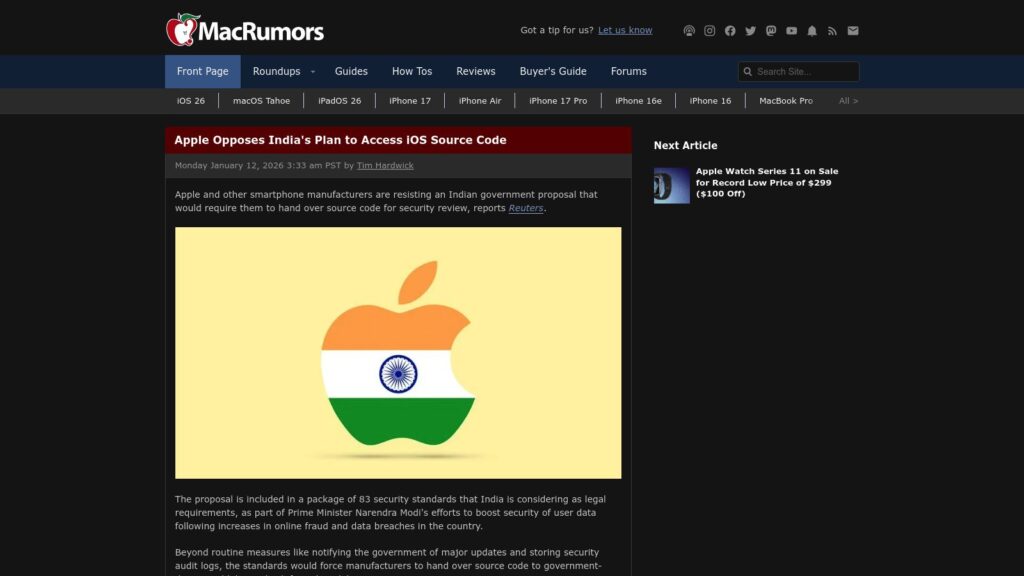
Apple opposes India's proposal requiring smartphone manufacturers to submit source code for security reviews. The plan aims to enhance user data security amid rising fraud, but major companies, including Apple, Google, and Samsung, express concerns about revealing proprietary information. Despite the government's insistence on openness regarding the proposal, industry objections highlight apprehensions about data protection and lack of international precedent.

https://www.macrumors.com/2026/01/12/apple-opposes-india-plan-access-ios-source-code/

Banks Collaborate to Warn Consumers of Recovery Scams

TLDR: Five banks warn about growing recovery scams targeting fraud victims, where scammers promise to recover lost funds for a fee. Criminals impersonate officials, pressuring vulnerable victims for personal information and money. Legitimate organizations won't charge fees for recovery. Consumers should verify contacts, avoid unsolicited offers, and report suspected scams to their banks.

https://www.vcnewsreview.com/stories/banks-collaborate-to-warn-consumers-of-recovery-scams,314246

Why Attackers Are Phishing on LinkedIn (and How to Stop It)

Phishing attacks have expanded beyond emails to social media and messaging apps like LinkedIn, where they can be particularly effective due to the platform's professional trust and accessible target identification. LinkedIn phishing is rising because traditional email security measures often do not cover direct messages, allowing attackers to reach high-value targets easily. To mitigate risks, users should treat LinkedIn messages similarly to emails, verify requests through alternative channels, implement multi-factor authentication, and receive training on recognizing phishing attempts outside of email.

https://www.pandasecurity.com/en/mediacenter/why-attackers-are-phishing-on-linkedin-and-how-to-stop-it/

Illicit Crypto Economy Surges as Nation-States Join the Fray

Illicit cryptocurrency transactions surged in 2025, reaching at least $154 billion, driven by sanctioned countries like Russia, Iran, and North Korea using digital currency to evade financial blockades. The rise of stablecoins, pegged to national currencies like the US dollar, facilitated these transactions, with 84% of illicit money flows transacted in stablecoins. This growth in cryptocurrency transactions has also fueled the maturation of cybercriminal services, posing challenges for law enforcement.

https://www.darkreading.com/cyber-risk/illicit-crypto-economy-surges-nation-states

Are Criminal Hacking Organizations Recruiting Teenagers to Do the Dirty Work?

Criminal hacking organizations are recruiting teenagers in Western countries by offering fake jobs and cryptocurrency payments. These groups use social media and gaming platforms to groom young individuals for illegal activities, including ransomware attacks. Parents should watch for signs of unusual income or expensive items and be aware that law enforcement, including the FBI, is actively prosecuting young offenders.

https://www.pandasecurity.com/en/mediacenter/are-criminal-hacking-organizations-recruiting-teenagers-to-do-the-dirty-work/

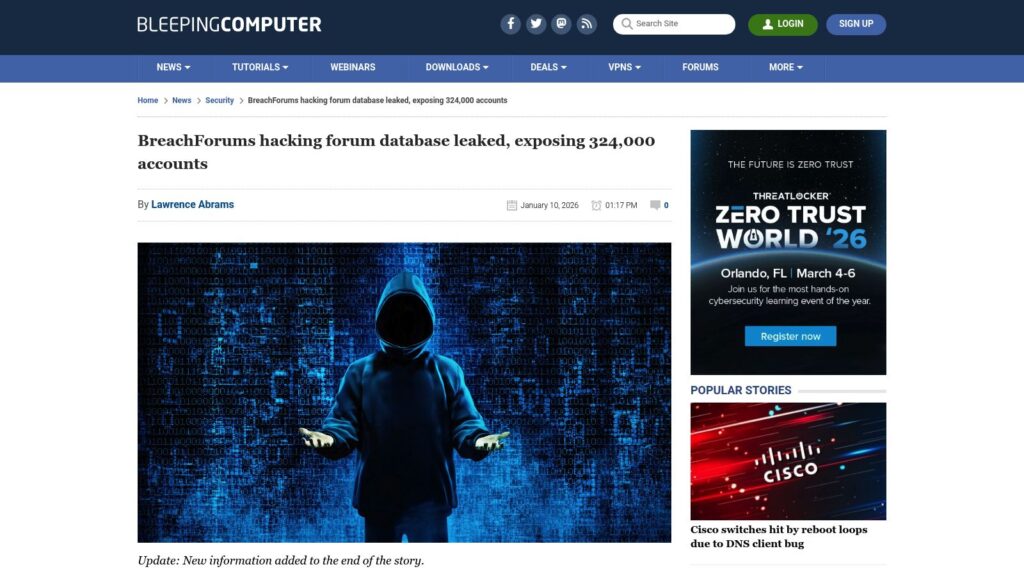
BreachForums Hacking Forum Database Leaked, Exposing 324,000 Accounts

BreachForums hacking forum suffered a data breach, leaking 324,000 member accounts and internal data. The leak includes usernames, registration dates, and IP addresses, though many are local and not useful. The breach followed previous law enforcement actions against the forum, which has a history of being relaunched. The current admin acknowledged a temporary exposure of the database and advised members to use disposable emails for security.

https://www.bleepingcomputer.com/news/security/breachforums-hacking-forum-database-leaked-exposing-324-000-accounts/

An Instagram Data Breach Reportedly Exposed the Personal Info of 17.5 Million Users

Instagram data breach exposes info of 17.5M users, including usernames and emails, up for sale on dark web; risks include phishing and account takeovers. Malwarebytes ties breach to Instagram API from 2024. Users advised to enable two-factor authentication.

https://www.engadget.com/cybersecurity/an-instagram-data-breach-reportedly-exposed-the-personal-info-of-175-million-users-192105616.html

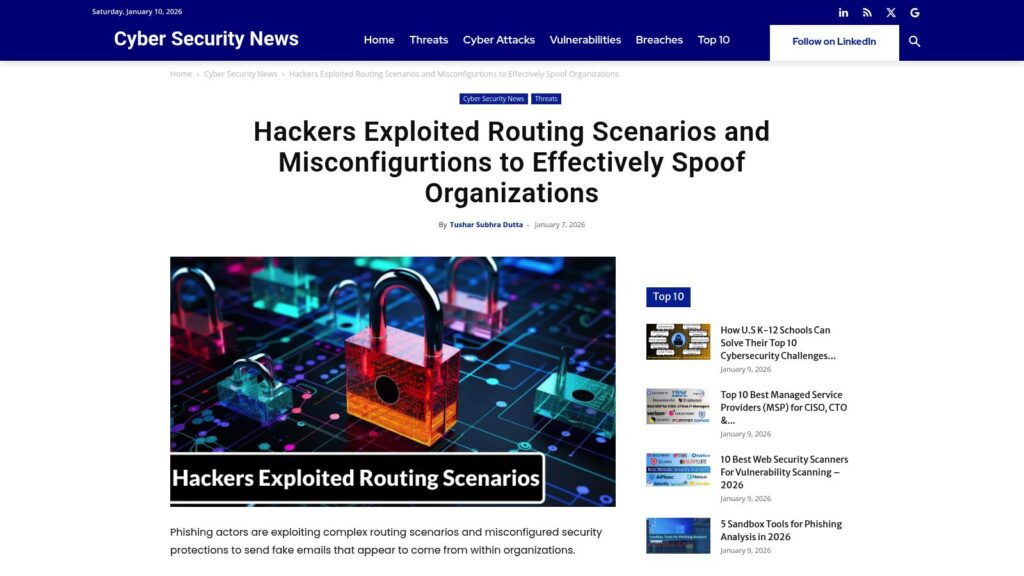
Hackers Exploited Routing Scenarios and Misconfigurtions to Effectively Spoof Organizations

Hackers are exploiting complex email routing and misconfigurations to send deceptive phishing emails that appear to originate from within organizations. This technique has become prevalent since May 2025 and utilizes common tactics like fake voicemail alerts and document sharing to steal credentials. Organizations misconfigured in email routing are vulnerable, while those using Microsoft Exchange with Office 365 have built-in protections. Proper security configurations can mitigate risks associated with these attacks.

https://cybersecuritynews.com/hackers-exploited-routing-scenarios-and-misconfigurtions/

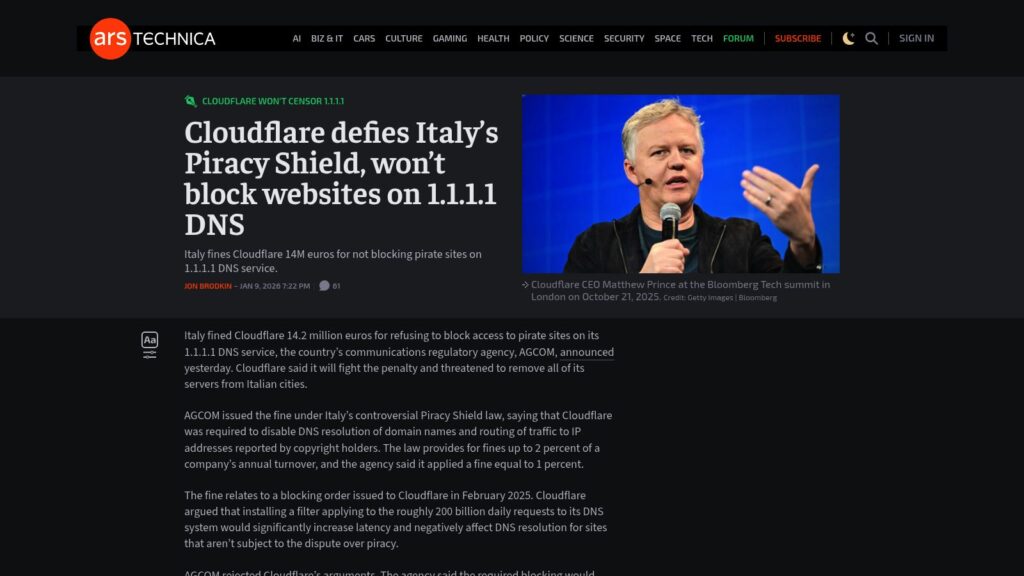
Cloudflare Defies Italy’s Piracy Shield, Won’t Block Websites on 1.1.1.1 DNS

Cloudflare faces a €14.2 million fine from Italy for not blocking pirate sites on its 1.1.1.1 DNS service under the country's Piracy Shield law. The law requires rapid blocking of alleged piracy sites, but Cloudflare argues it could harm legitimate sites and plans to contest the fine, possibly withdrawing services in Italy. The Piracy Shield has faced criticism for overblocking legitimate sites and lacking due process.

https://arstechnica.com/tech-policy/2026/01/cloudflare-may-pull-servers-out-of-italy-over-order-that-it-block-pirate-sites/

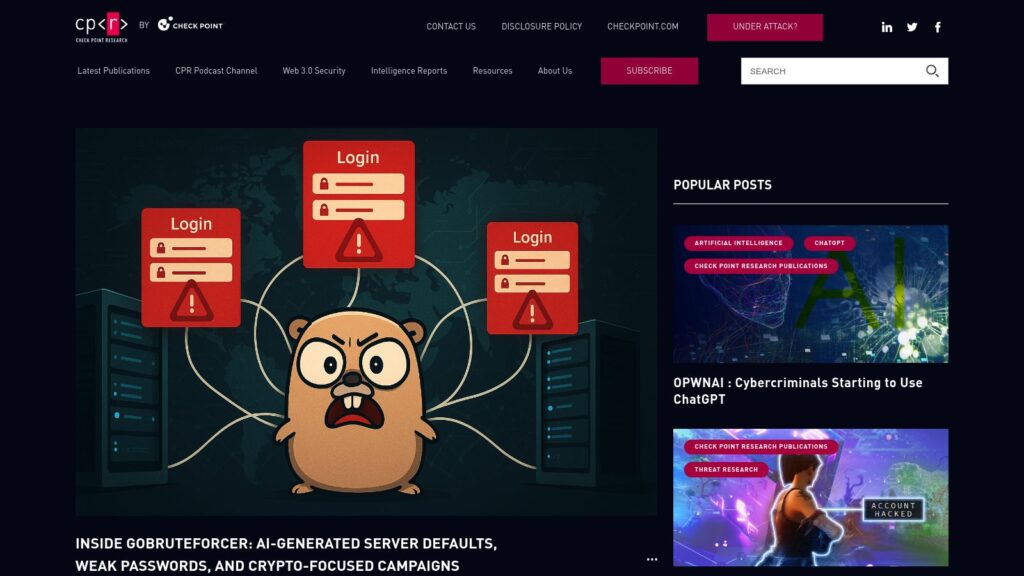
Inside GoBruteforcer: AI-Generated Server Defaults, Weak Passwords, and Crypto-Focused Campaigns

GoBruteforcer is a modular botnet that brute-forces passwords on Linux servers, targeting FTP, MySQL, and PostgreSQL services, exploiting AI-generated defaults and weak credentials. Over 50,000 servers may be affected. Its campaigns focus on cryptocurrency databases, utilizing common usernames and weak passwords derived from AI-generated configurations. The botnet operates through a two-part system: an IRC bot for command control and a bruteforcer for password attacks. Its success is bolstered by widespread internet exposure and legacy software vulnerabilities, particularly with misconfigured services like XAMPP. The botnet dynamically updates and expands its reach while targeting specific sectors, including crypto-related services, revealing significant risks in server security.

https://research.checkpoint.com/2026/inside-gobruteforcer-ai-generated-server-defaults-weak-passwords-and-crypto-focused-campaigns/

Phishing Campaign Abuses Google Cloud Services to Steal Microsoft 365 Logins

Phishing attacks exploit Google Cloud services to steal Microsoft 365 logins. Cybercriminals send fake Google emails, using trusted domains to redirect victims to a look-alike login page. Google acknowledges this abuse and has acted to mitigate such campaigns, advising users to verify URLs and use multi-factor authentication to enhance security.

https://www.malwarebytes.com/blog/news/2026/01/phishing-campaign-abuses-google-cloud-services-to-steal-microsoft-365-logins

ChatGPT’s Memory Feature Supercharges Prompt Injection

Researchers from Radware discovered a new exploit chain called “ZombieAgent” that leverages ChatGPT’s long-term memory and connector features to enable more severe indirect prompt injection (IPI) attacks. By planting malicious instructions in ChatGPT’s memory, attackers can persistently exfiltrate sensitive information from connected platforms. OpenAI has addressed this exploit by restricting ChatGPT’s ability to modify URLs, but further structural fixes are needed to enhance the security of AI agents.

https://www.darkreading.com/endpoint-security/chatgpt-memory-feature-prompt-injection

Scroll to Top