regulation

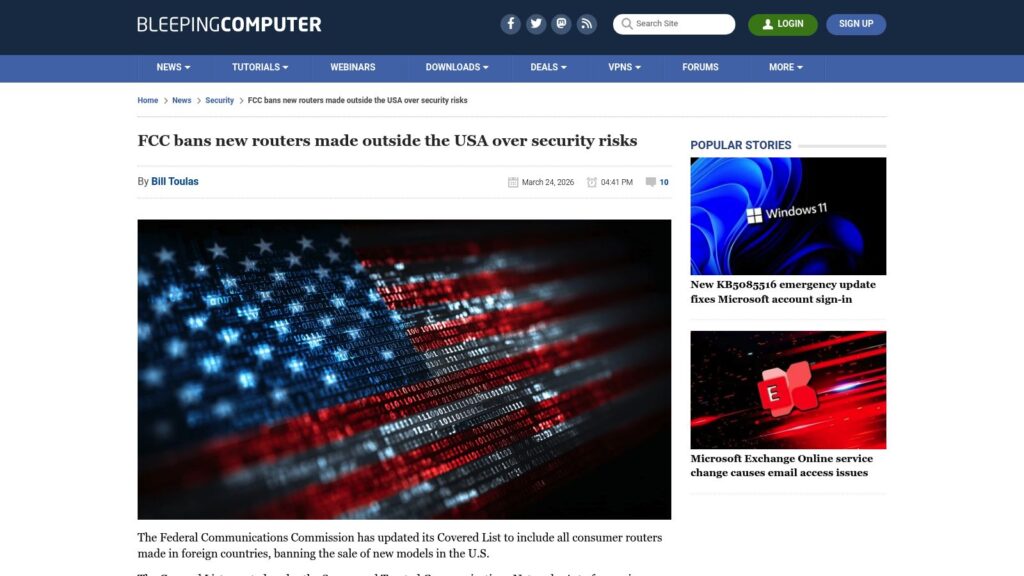
FCC Bans New Routers Made Outside the USA Over Security Risks

The FCC has updated its Covered List under the Secure and Trusted Communications Networks Act of 2019 to ban the sale of all new consumer routers made outside the USA, citing national security risks related to foreign-manufactured devices potentially disrupting critical infrastructure. Exceptions exist for some government-used routers and manufacturers can seek U.S. approval by disclosing supply chain details and moving critical manufacturing to the U.S., but the rule may limit model availability and increase costs for consumers.

https://www.bleepingcomputer.com/news/security/fcc-bans-new-routers-made-outside-the-usa-over-security-risks/

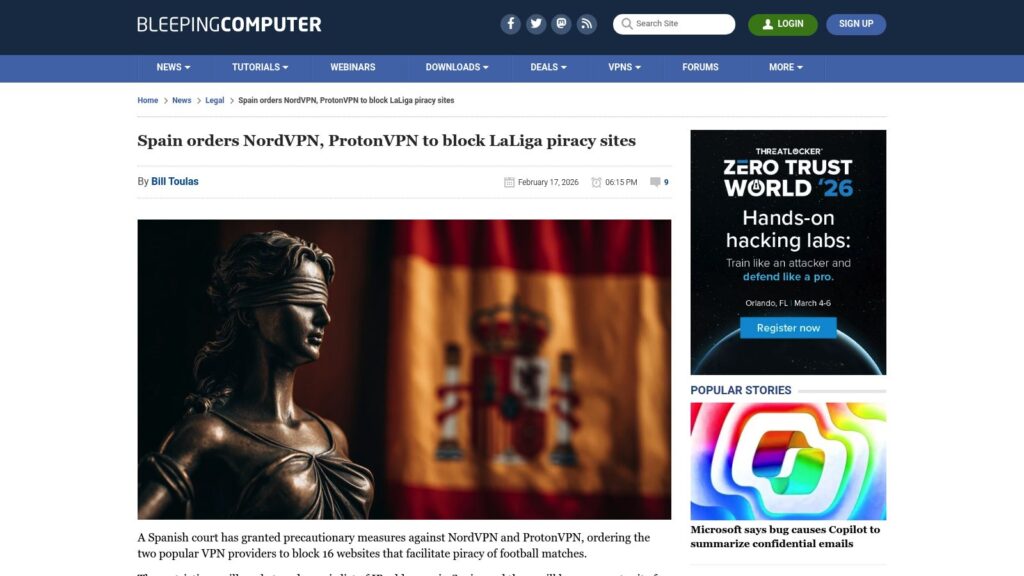
Spain Orders NordVPN, ProtonVPN to Block LaLiga Piracy Sites

Spain's court orders NordVPN and ProtonVPN to block 16 piracy websites related to LaLiga, granting measures without hearings. LaLiga cites VPNs as facilitating illegal streaming. ProtonVPN claims lack of proper notice, while NordVPN states it's not aware of legal proceedings. Both argue that blocking VPNs won't effectively combat piracy.

https://www.bleepingcomputer.com/news/legal/spain-orders-nordvpn-protonvpn-to-block-laliga-piracy-sites/

UK.gov Launches Cyber ‘lockdown’ Campaign as 80% of Orgs Hit

UK government launches cyber lockdown campaign urging businesses to enhance digital defenses, as report shows 82% of organizations experienced cyber incidents. Only 30% adhere to Cyber Essentials standards. Campaign aims to raise awareness among SMEs about the risks and importance of basic cybersecurity measures. Free resources offered to assist businesses in improving security practices.

https://www.theregister.com/2026/02/17/govt_launches_cyber_lockdown_push/

Spyware Maker Is Hijacking Diplomatic Efforts to Limit Commercial Hacking, Civil Society Warns

Civil society alleges NSO Group, a spyware manufacturer with a history of human rights violations, is using diplomatic initiatives like the Pall Mall Process to rehabilitate its image despite reports of abuses. While NSO claims engagement in reining in spyware misuse, officials from France and the UK affirm they did not invite NSO's participation. Critics stress that NSO's history, including targeting journalists and activists, undermines its claims of responsible governance, while calls for exclusion from future negotiations are growing amid concerns over accountability and transparency.

https://therecord.media/spyware-maker-pall-mall-process-reputation

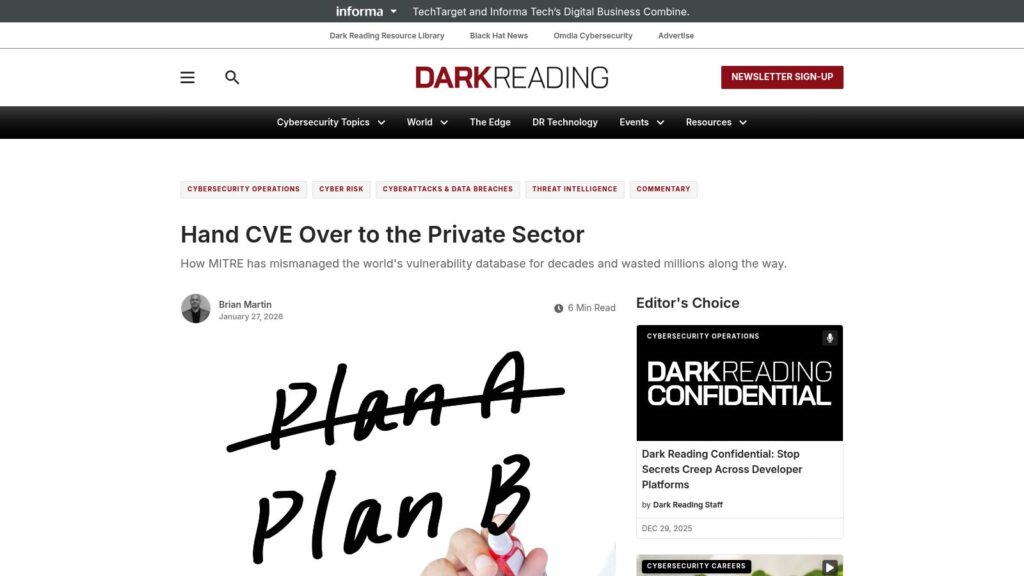
Hand CVE Over to the Private Sector

The Common Vulnerability Enumeration (CVE) initiative, created in 1999, is criticized for being redundant and mismanaged. Despite receiving substantial government funding, MITRE’s CVE program is perceived as lacking objectivity, quick response capability, and expertise in vulnerability database management. The author argues that the program’s high costs and slow response times suggest it is not meeting the requirements of a federally funded research and development center.

https://www.darkreading.com/cybersecurity-operations/hand-cve-over-to-private-sector

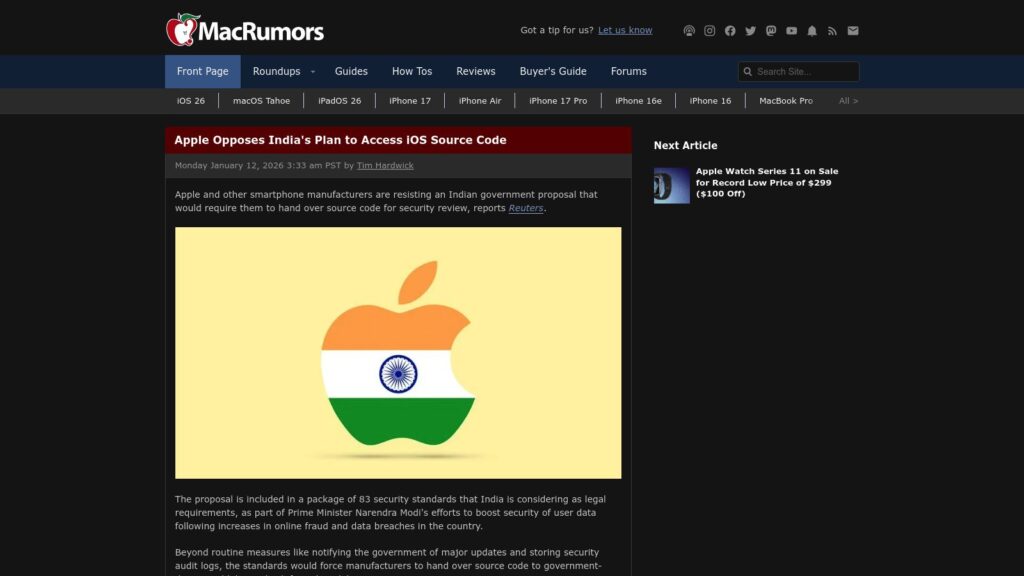
Apple Opposes India’s Plan to Access iOS Source Code

Apple opposes India's proposal requiring smartphone manufacturers to submit source code for security reviews. The plan aims to enhance user data security amid rising fraud, but major companies, including Apple, Google, and Samsung, express concerns about revealing proprietary information. Despite the government's insistence on openness regarding the proposal, industry objections highlight apprehensions about data protection and lack of international precedent.

https://www.macrumors.com/2026/01/12/apple-opposes-india-plan-access-ios-source-code/

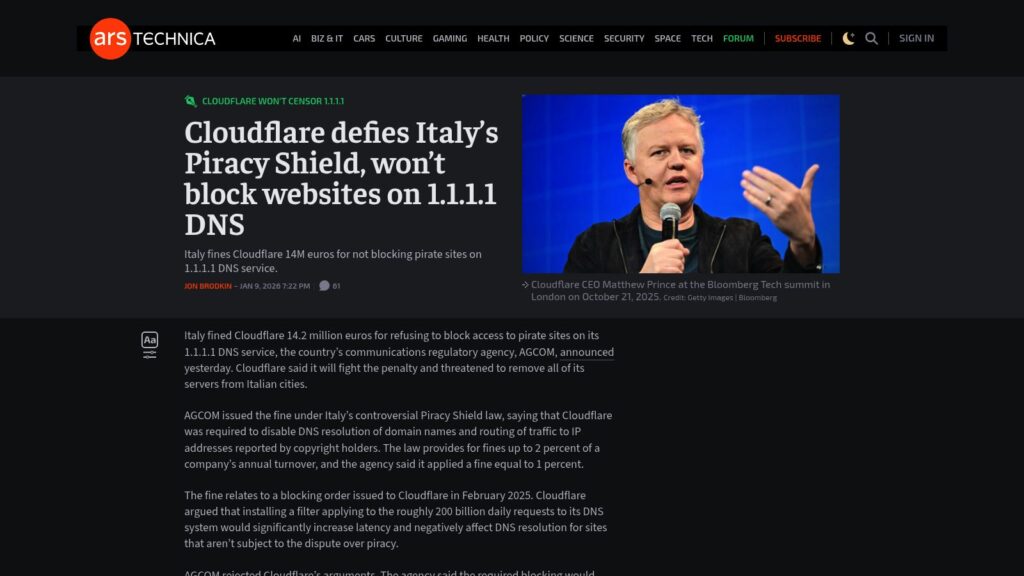
Cloudflare Defies Italy’s Piracy Shield, Won’t Block Websites on 1.1.1.1 DNS

Cloudflare faces a €14.2 million fine from Italy for not blocking pirate sites on its 1.1.1.1 DNS service under the country's Piracy Shield law. The law requires rapid blocking of alleged piracy sites, but Cloudflare argues it could harm legitimate sites and plans to contest the fine, possibly withdrawing services in Italy. The Piracy Shield has faced criticism for overblocking legitimate sites and lacking due process.

https://arstechnica.com/tech-policy/2026/01/cloudflare-may-pull-servers-out-of-italy-over-order-that-it-block-pirate-sites/

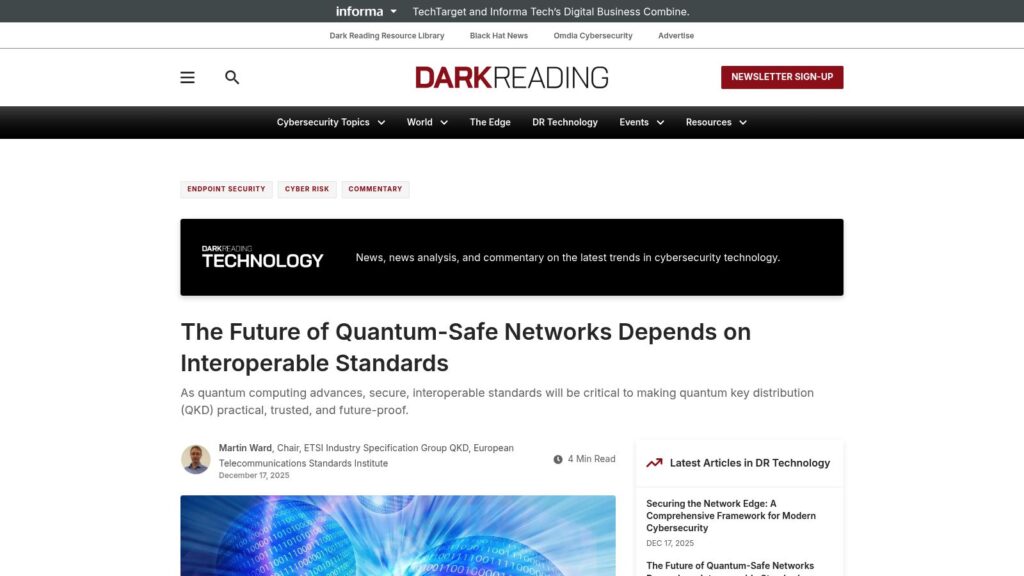
Future of Quantum-Safe Networks Rests on Interoperable Standards

The article emphasizes cybersecurity advancements, particularly quantum key distribution (QKD), which is vital for secure, future-proof communications as quantum computing evolves. Establishing interoperable standards is essential for QKD's successful deployment, ensuring security across various industries and maintaining trust in digital infrastructure.

https://www.darkreading.com/endpoint-security/securing-future-building-quantum-safe-networks-today

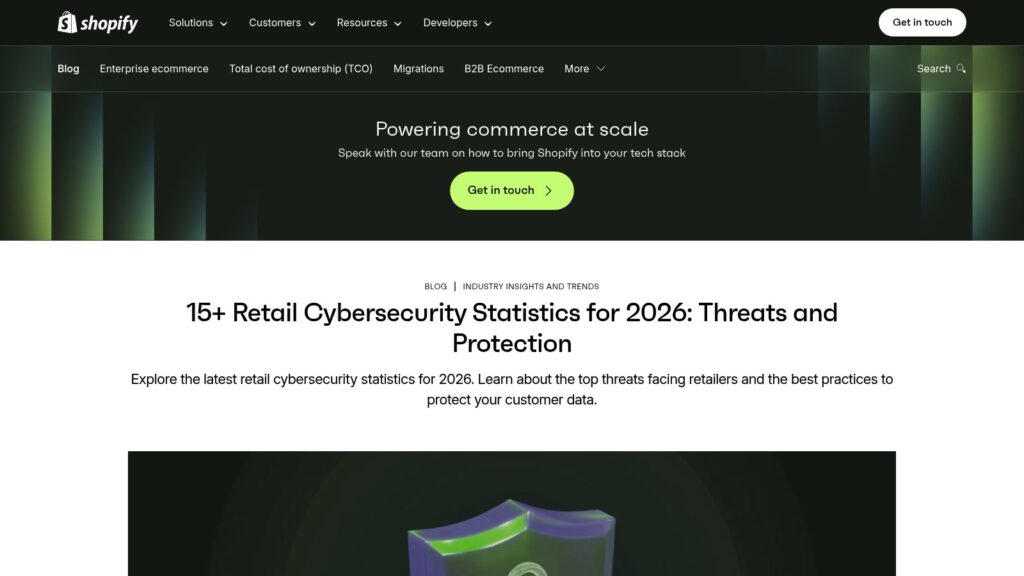
15+ Retail Cybersecurity Statistics for 2026: Threats and Protection

Retailers increasingly face cyber risks with data breaches averaging $10.22 million in the US. High transaction volumes, sprawling systems, and third-party dependencies make them prime targets. Major threats include phishing, malware, ransomware, and supply chain vulnerabilities. To combat these, retailers must adopt robust security measures, educate staff, and continuously monitor systems. Recent breaches, like those affecting Forever 21 and Neiman Marcus, highlight the need for strong risk management and third-party oversight.

https://www.shopify.com/enterprise/blog/retail-cybersecurity

UK Fines LastPass £1.2 Million for Data Breach Affecting 1.6 Million People

UK fines LastPass £1.2 million for 2022 data breach affecting 1.6 million users. Two attacks compromised employee data, leading to access of encrypted user information. ICO criticized LastPass for inadequate security measures. No evidence passwords unencrypted but concerns remain about hackers cracking vaults. LastPass acknowledges shortcomings, focusing on enhancing data security.

https://therecord.media/uk-fines-lastpass-over-1-million-data-breach

UK Cops to Scale Facial Recognition Despite Privacy Backlash

UK plans to expand police facial recognition despite civil rights concerns, proposing a legal framework for broader biometric use. Critics warn of increased surveillance and loss of privacy, citing concerns over how many innocent people were scanned. Home Office argues for clearer lawful deployment guidelines, while opposition groups fear this initiates a path towards authoritarian surveillance.

https://www.theregister.com/2025/12/05/uk_cops_facial_recognition/

India Demands Smartphone Makers Install Government App

India mandates all smartphone makers to pre-install the “Sanchar Saathi” app on devices within 90 days to combat fraud and enhance telecom security. The app allows users to report suspected fraud, block stolen devices, and verify IMEI numbers. Critics raise concerns about privacy, as the app accesses call logs and messages, while some users welcome it as a fraud-fighting tool.

https://www.theregister.com/2025/12/02/india_mandatory_sanchar_saathi_app/

The VPN Panic Is Only Getting Started

UK government considers restricting children's use of VPNs due to their effectiveness in bypassing age verification from the Online Safety Act, which mandates strict age checks for accessing certain online content. Following the Act's implementation, VPN usage surged significantly, with calls from officials to address this loophole. Discussions on potential methods to limit VPNs are ongoing, but suggestions of a full ban are complicated by the legitimate reasons for VPN use in privacy and security. Alternatives, like restricting VPN promotion to children, are likely under consideration. As other countries follow suit with similar restrictions, the debate on VPN regulation is expected to intensify.

https://www.theverge.com/tech/827435/uk-vpn-restrictions-ban-online-safety-act

Scroll to Top