payments

Over 20,000 Crypto Fraud Victims Identified in International Crackdown
An international law enforcement effort called Operation Atlantic, led by the UK's National Crime Agency (NCA) and involving agencies from Canada, the UK, and the US, has identified over 20,000 victims of cryptocurrency fraud and frozen more than $12 million in criminal proceeds. This joint operation disrupted multiple fraud networks globally, highlighting the effectiveness of public-private partnerships in combating crypto scams and supporting victims.
https://www.bleepingcomputer.com/news/security/police-identifies-20-000-victims-in-international-crypto-fraud-crackdown/

Refund Scam Impersonates Avast to Harvest Credit Card Details

A phishing scam impersonating Avast tricks users into providing credit card details for a fake €499.99 refund. The scam employs a realistic site design, urgency tactics, and live chat support to deceive victims. Signs of such scams include unrecognized charges, urgent cancellation notices, and requests for complete card information. If victimized, contact your bank, dispute unauthorized charges, and enhance security practices.

https://www.malwarebytes.com/blog/threat-intel/2026/02/refund-scam-impersonates-avast-to-harvest-credit-card-details

PayPal Data Breach Exposes SSNs and Business PII of Customers for Over Six Months

PayPal experienced a data breach due to a coding error in its Working Capital loan application, exposing customers' personal information, including Social Security numbers and business details, for about six months. The breach was identified on December 12, 2025, and reported to affected customers on February 10, 2026. No external intrusion was involved; it was an internal issue. PayPal has since rolled back the problematic code, terminated unauthorized access, initiated a full investigation, and is offering affected users two years of free credit monitoring.

https://cybersecuritynews.com/paypal-data-breach-expose-customer-data/

The Latest Wave of Ransomware Attacks: As Widespread as Possible

Ransomware attack on BridgePay disrupts U.S. payment systems, forcing businesses, like restaurants, to go cash-only. The company is working with law enforcement but has found no evidence of compromised payment card data. This incident highlights vulnerabilities in centralized payment systems, emphasizing the need for improved cyber resiliency among service providers.

https://www.paymentsjournal.com/the-latest-wave-of-ransomware-attacks-as-widespread-as-possible/

Apple Pay Phish Uses Fake Support Calls to Steal Payment Details

Apple Pay phishing campaign hijacks user information through fake support calls. Victims receive emails mimicking Apple alerts about unauthorized transactions, prompting them to call provided numbers. Scammers impersonate Apple agents, extracting sensitive data like Apple ID verification codes and payment details under false pretenses. Users are advised to avoid sharing 2FA codes, scrutinize sender addresses, and verify communications independently.

https://www.malwarebytes.com/blog/news/2026/02/apple-pay-phish-uses-fake-support-calls-to-steal-payment-details

A New Apple Pay Scam Is Hitting Millions

A new Apple Pay scam is targeting users by claiming suspicious transactions were blocked and urging them to call a fraudulent number. These messages, which appear official, aim to trick victims into revealing personal information. To stay safe, users should ignore such messages, verify sender details, and contact Apple directly through their website if concerned.

https://www.techradar.com/computing/cyber-security/a-new-apple-pay-scam-is-hitting-millions-heres-how-to-spot-fake-unusual-activity-messages-before-its-too-late

Banks Collaborate to Warn Consumers of Recovery Scams

TLDR: Five banks warn about growing recovery scams targeting fraud victims, where scammers promise to recover lost funds for a fee. Criminals impersonate officials, pressuring vulnerable victims for personal information and money. Legitimate organizations won't charge fees for recovery. Consumers should verify contacts, avoid unsolicited offers, and report suspected scams to their banks.

https://www.vcnewsreview.com/stories/banks-collaborate-to-warn-consumers-of-recovery-scams,314246

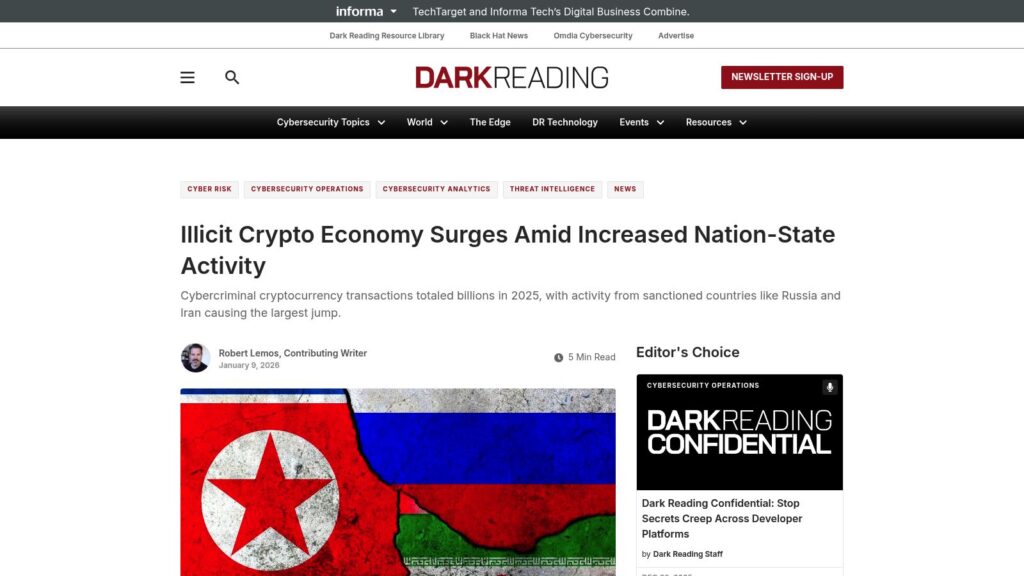
Illicit Crypto Economy Surges as Nation-States Join the Fray

Illicit cryptocurrency transactions surged in 2025, reaching at least $154 billion, driven by sanctioned countries like Russia, Iran, and North Korea using digital currency to evade financial blockades. The rise of stablecoins, pegged to national currencies like the US dollar, facilitated these transactions, with 84% of illicit money flows transacted in stablecoins. This growth in cryptocurrency transactions has also fueled the maturation of cybercriminal services, posing challenges for law enforcement.

https://www.darkreading.com/cyber-risk/illicit-crypto-economy-surges-nation-states

Fraud Starts at Home

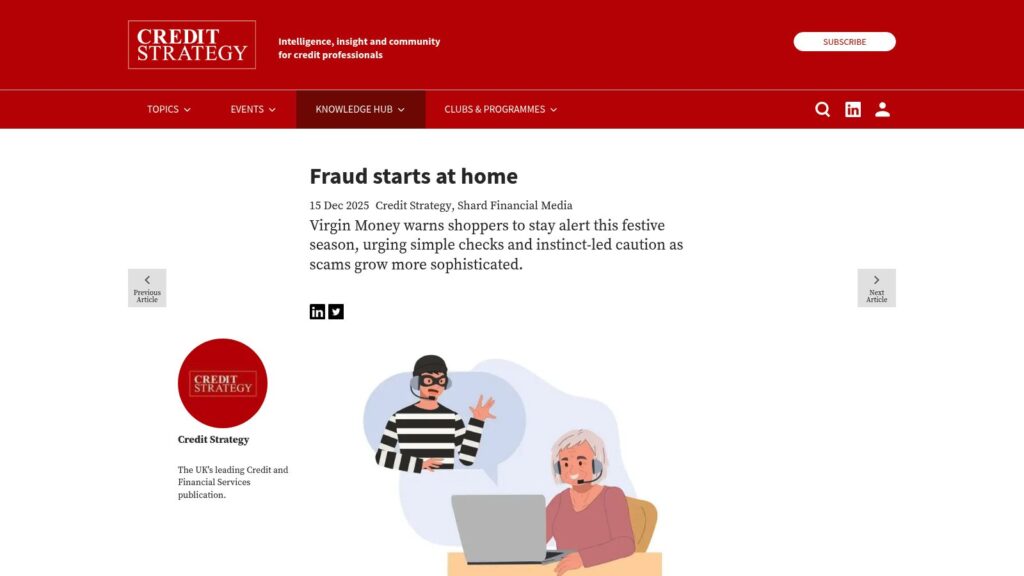
Virgin Money warns consumers to be vigilant against scams this festive season, stressing personal responsibility and simple security measures. Their head of fraud highlights that individuals are the first line of defense, advising to trust instincts, secure devices, and avoid sharing sensitive information. Research shows various fraud types target different generations, with a notable increase in online scams. Customers are urged to verify sources and check for website security before sharing payment details. The bank emphasizes common sense as key to staying safe online.

https://www.creditstrategy.co.uk/knowledge-hub/fraud-starts-at-home

Fighting Payment Fraud With AI

AI combats rising payment fraud effectively, adapting rapidly to evolving threats. Traditional fraud defenses struggle against sophisticated attacks, leading to increased false declines that harm customer loyalty. Businesses are turning to AI for more accurate, real-time fraud detection, which boosts legitimate transactions and reduces losses. AI-enabled systems analyze vast data for nuanced risk scoring, transforming fraud prevention into a strategic growth tool. Investing in AI is essential for safeguarding revenue and enhancing customer experience.

https://www.independent.co.uk/news/business/business-reporter/payment-fraud-ai-cyber-attacks-security-b2881360.html

Are Credit Cards Safe?

Credit cards provide protections such as limited liability for unauthorized charges, fraud monitoring, and dispute resolution for questionable transactions. Security features include alerts, encryption, virtual cards, two-factor authentication, and EMV chips. Some cards offer purchase protection and chargebacks for items that are damaged or not received. Overall, credit cards usually offer more safety features than debit cards, helping cardholders prevent fraud and protect their information.

https://www.chase.com/personal/credit-cards/education/basics/credit-card-safety-features

How Phishers Hide Banking Scams Behind Free Cloudflare Pages

Phishing scams are increasingly using free hosting services like Cloudflare Pages to create fake banking and insurance login portals, aiming to capture sensitive information such as usernames, passwords, and answers to security questions. These scams often redirect through compromised legitimate sites, utilizing Telegram for data exfiltration, making them difficult to detect and shut down. Victims encounter authentic-looking pages and are misled into providing personal data, while attackers benefit from rapid setup and evasion of traditional security measures. To avoid such attacks, users should scrutinize URLs, avoid clicking links from unexpected emails, and verify requests for sensitive information.

https://www.malwarebytes.com/blog/news/2025/12/how-phishers-hide-banking-scams-behind-free-cloudflare-pages

Public Fraud Awareness Fades Between Crises Despite AI Threat Escalation, CONCRYT Finds

TLDR: CONCRYT's 2024-2025 report reveals public awareness of payment fraud spikes during major regulatory events but quickly declines despite increasing AI-enabled fraud threats, showing a disconnect between evolving risks and public vigilance. Regulatory actions drive awareness more than actual fraud incidents, highlighting geographic disparities in understanding of fraud risks. More consumer education is needed amidst rising sophisticated fraud tactics, especially involving AI.

https://ffnews.com/newsarticle/fintech/public-fraud-awareness-fades-between-crises-despite-ai-threat-escalation-concryt-finds/

Scroll to Top