regulation

Video Gaming and Cybersecurity: Navigating Legal and Technological Challenges

Video gaming industry faces significant cyber risks due to rapid growth, attracting cyber criminals. Regulators worldwide are extending critical infrastructure legislation to gaming. This includes the NIS2 Directive and Cyber Resilience Act which impose stringent cybersecurity requirements on game companies. Key risks involve in-game integrity, data breaches, and compliance with regulations like GDPR. Effective cybersecurity measures are essential for legal compliance and to maintain user trust in an evolving digital landscape.

https://www.nortonrosefulbright.com/en/knowledge/publications/77cbcb67/video-gaming-and-cybersecurity

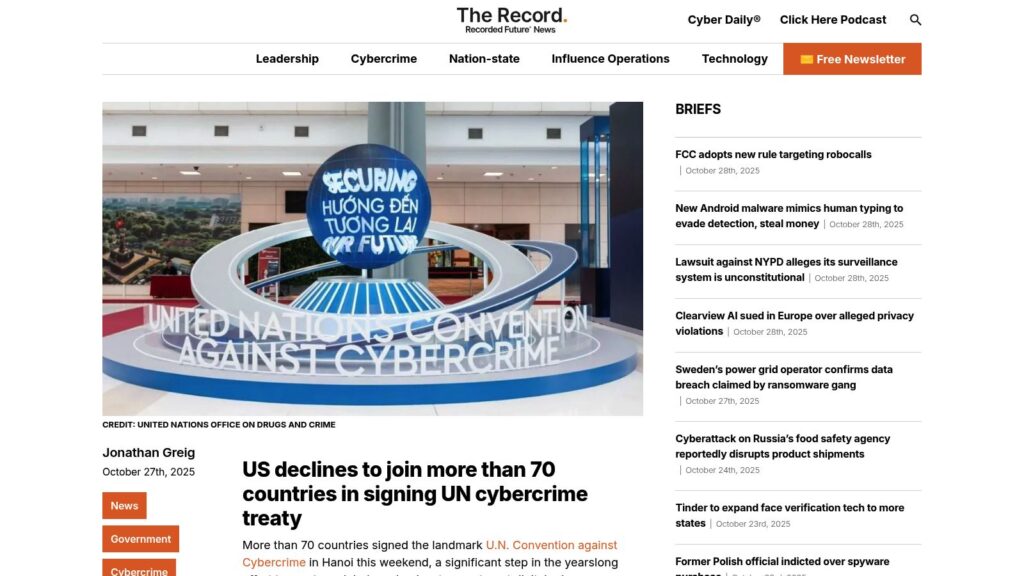
US Declines to Join More Than 70 Countries in Signing UN Cybercrime Treaty

U.S. did not sign U.N. cybercrime treaty despite over 70 countries agreeing to it, aiming to counter global digital crime. The U.N. states the convention strengthens defenses against cybercrime, facilitates cross-border evidence sharing, and addresses serious offenses. Critics warn it may empower authoritarian regimes and infringe on rights. Some emphasize the need for protecting fundamental rights while pursuing cybercrime.

https://therecord.media/us-declines-signing-cybercrime-treaty

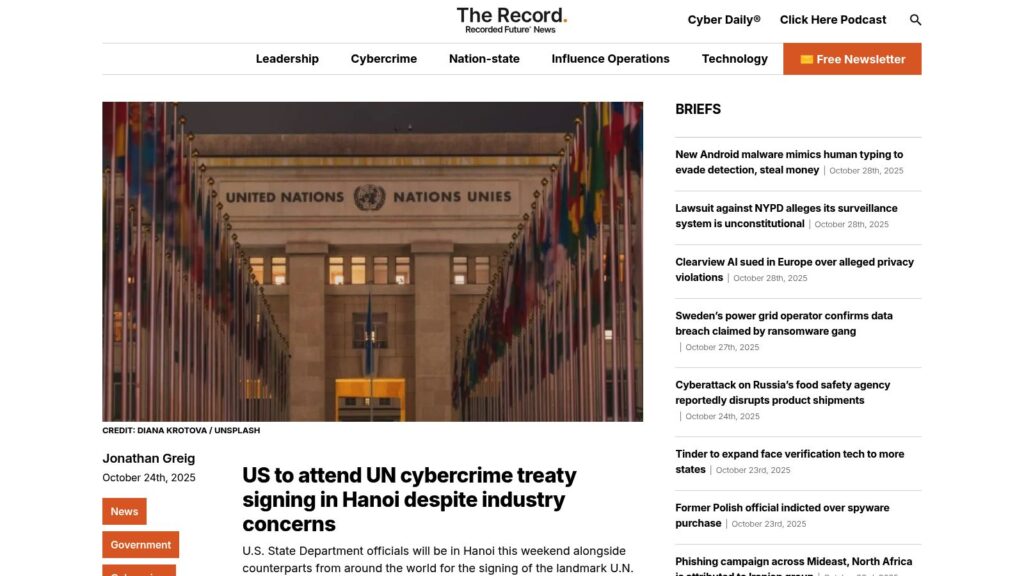
US to Attend UN Cybercrime Treaty Signing in Hanoi Despite Industry Concerns

US to attend UN cybercrime treaty signing in Hanoi despite industry and human rights concerns. The treaty, adopted after five years amid backlash, aims to improve international cooperation on cybercrime but raises fears over electronic surveillance and human rights violations. Approximately 30-36 countries may sign, while critics warn it could facilitate digital repression. The US, previously opposed, now supports the treaty for potential reforms, although concerns about its implications persist.

https://therecord.media/cybercrime-treaty-signing-hanoi

Scroll to Top