scams

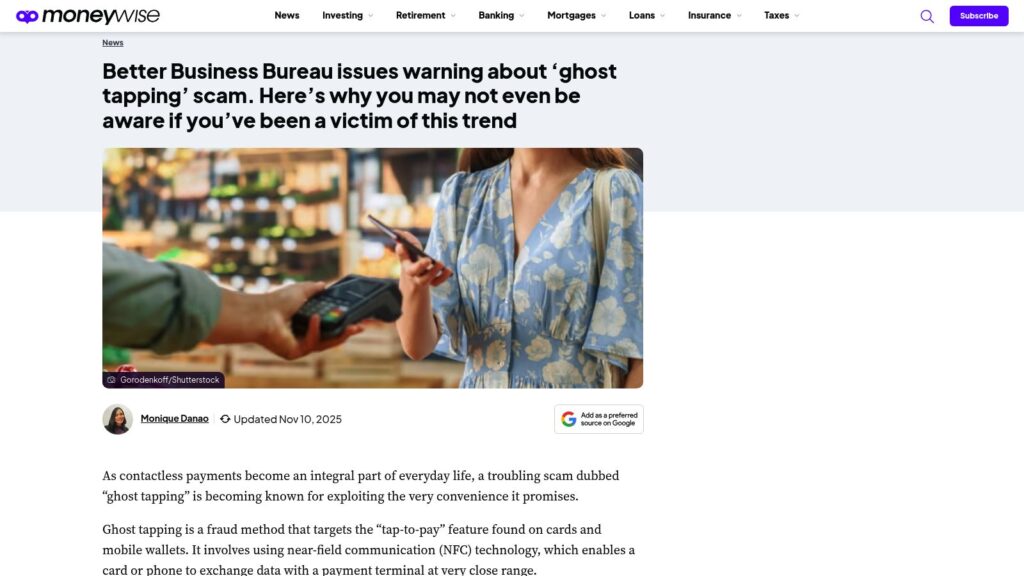
Better Business Bureau Issues Warning About ‘ghost Tapping’ Scam. Here’s Why You May Not Even Be Aware if You’ve Been a Victim of This Trend

Ghost tapping scam exploits contactless payments. Scammers charge unsuspecting victims large amounts through “tap-to-pay” without consent. Methods include bumping into people or posing as vendors. Victims may not realize until seeing charges. Stay vigilant: use RFID-blocking wallets, verify merchants, enable transaction alerts, and report suspicious activity swiftly.

https://moneywise.com/news/better-business-bureau-issues-warning-about-ghost-tapping

Inside the Rise of AI-Powered Pharmaceutical Scams

AI-driven scams in healthcare exploit trust by impersonating real doctors to sell counterfeit medications. Scammers use deepfake technology for false endorsements, creating fake social media accounts and websites that mimic legitimate clinics. These operations pose serious health risks by promoting unapproved drugs like fake GLP-1 products. The coordinated fraudulent networks leverage shared infrastructure, making scams scalable. Consumers are urged to verify pharmacy legitimacy and be cautious of online ads. A collaborative response involving cybersecurity experts and healthcare agencies is essential to combat these threats.

https://blog.checkpoint.com/healthcare/inside-the-rise-of-ai-powered-pharmaceutical-scams/

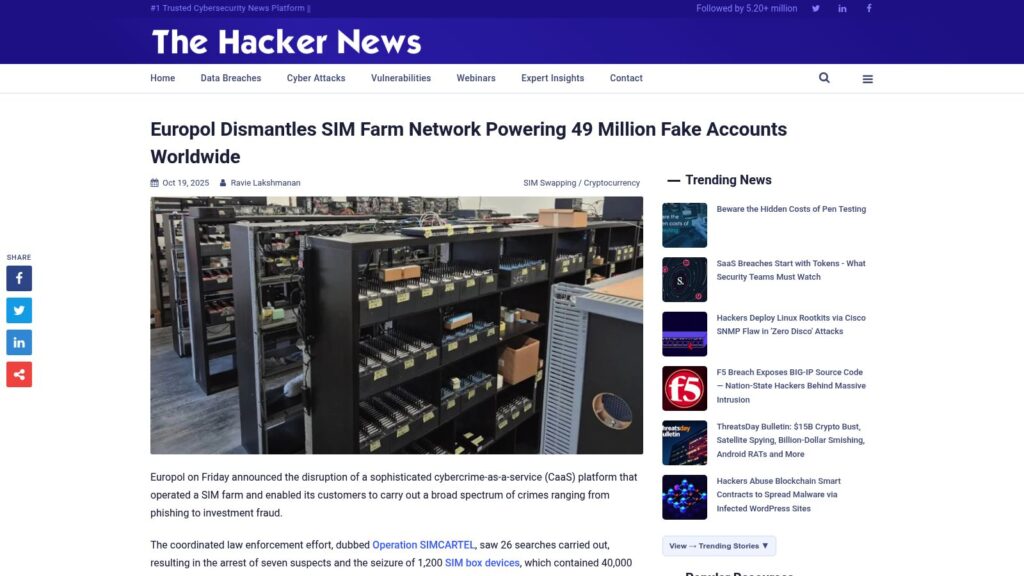
Europol Dismantles SIM Farm Network Powering 49 Million Fake Accounts Worldwide

Europol disrupted a SIM farm network enabling the creation of 49 million fake accounts used for various cybercrimes, including phishing and fraud. The operation led to seven arrests and the seizure of equipment and funds across multiple countries, revealing significant financial fraud impacts. The network provided services for anonymous communication and facilitated numerous criminal activities worldwide.

https://thehackernews.com/2025/10/europol-dismantles-sim-farm-network.html

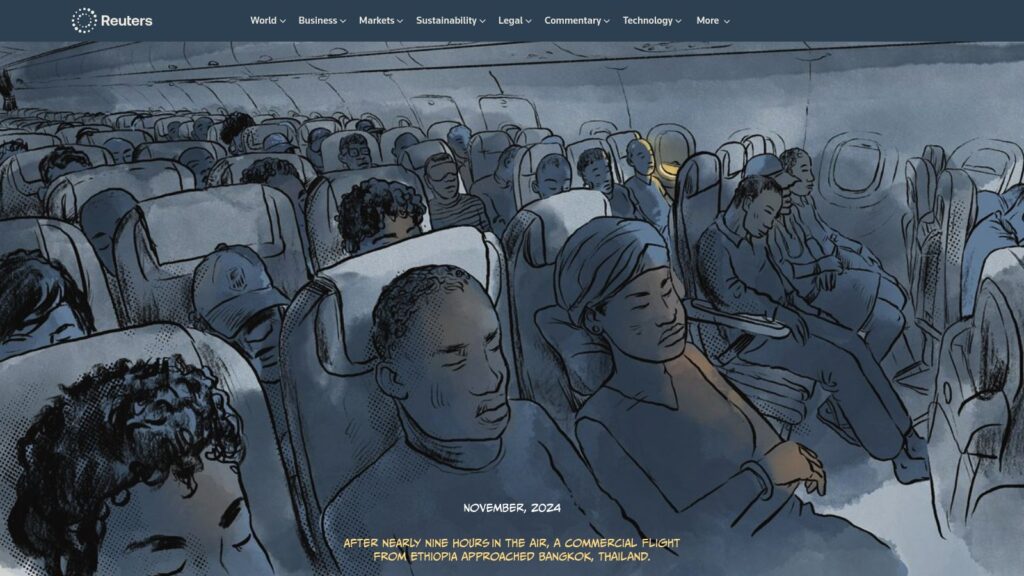
They Traveled to Thailand. They Wound up Cyber Scam Slaves in Myanmar.

A commercial flight from Ethiopia to Bangkok leads Oly, a 39-year-old I.T. consultant, into a human trafficking scheme. Victims at scam centers in Myanmar, run by Chinese gangs, are forced into online fraud operations. Oly is misled by fake immigration officials and abducted upon arrival, eventually ending up in KK Park, a notorious scam enclave. He and others endure grueling work conditions, violence, and exploitation. Some manage to escape, but rescuers face challenges aiding victims. Despite efforts to shut down centers, thousands remain trapped in ongoing scams, with victims suffering severe mistreatment and public authorities denying involvement.

https://www.reuters.com/graphics/SOUTHEASTASIA-SCAMS/mypmxwdwwvr/

Scroll to Top