privacy

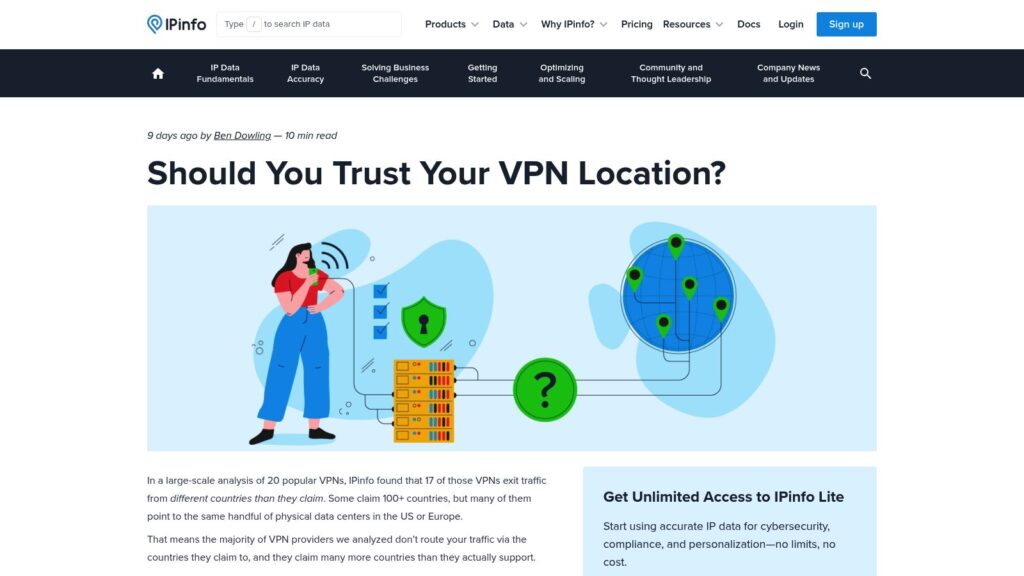
Should You Trust Your VPN Location?

Extreme TLDR: Analysis of 20 VPNs revealed 17 falsely claim exit locations; many are routed through different countries. 38 countries were only virtual, with data showing actual locations often thousands of kilometers away. Only 3 providers matched their claimed locations perfectly. Relying on self-reported data leads to significant inaccuracies. Users should treat “100+ countries” claims with skepticism and verify provider transparency regarding virtual versus physical server locations.

https://ipinfo.io/blog/vpn-location-mismatch-report

UK Cops to Scale Facial Recognition Despite Privacy Backlash

UK plans to expand police facial recognition despite civil rights concerns, proposing a legal framework for broader biometric use. Critics warn of increased surveillance and loss of privacy, citing concerns over how many innocent people were scanned. Home Office argues for clearer lawful deployment guidelines, while opposition groups fear this initiates a path towards authoritarian surveillance.

https://www.theregister.com/2025/12/05/uk_cops_facial_recognition/

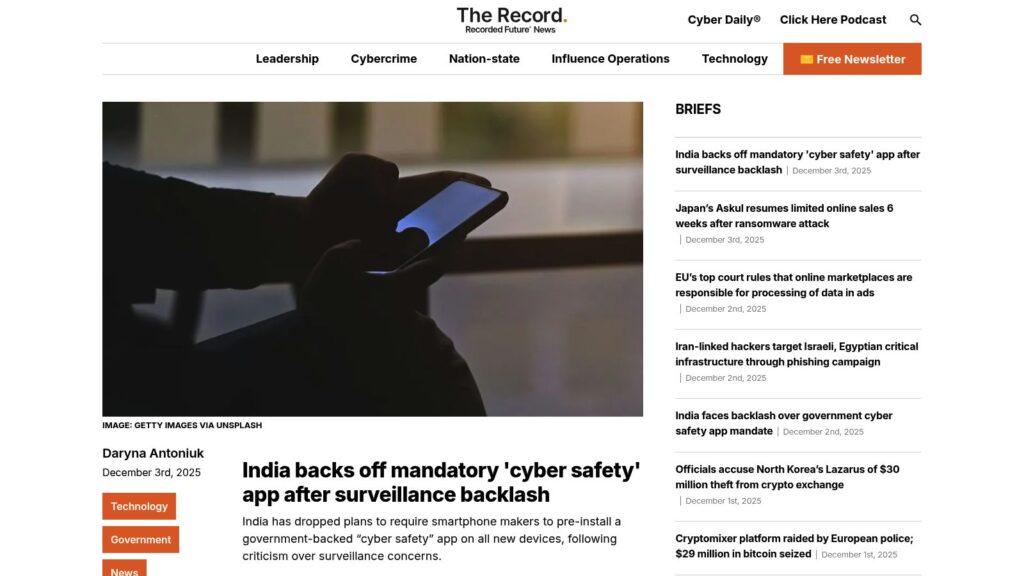
India Backs Off Mandatory ‘cyber Safety’ App After Surveillance Backlash

India cancels mandatory “cyber safety” app installation for new smartphones after privacy concerns arose. The government initially required device makers to preload the app, but backlash led to its reversal. Officials claimed the app aimed to combat fraud and theft, emphasizing user security and the ability to uninstall it. Digital rights advocates welcomed the decision but remained cautious until formal legal confirmation.

https://therecord.media/india-drops-mandate-sanchar-saathi-app-privacy-surveillance

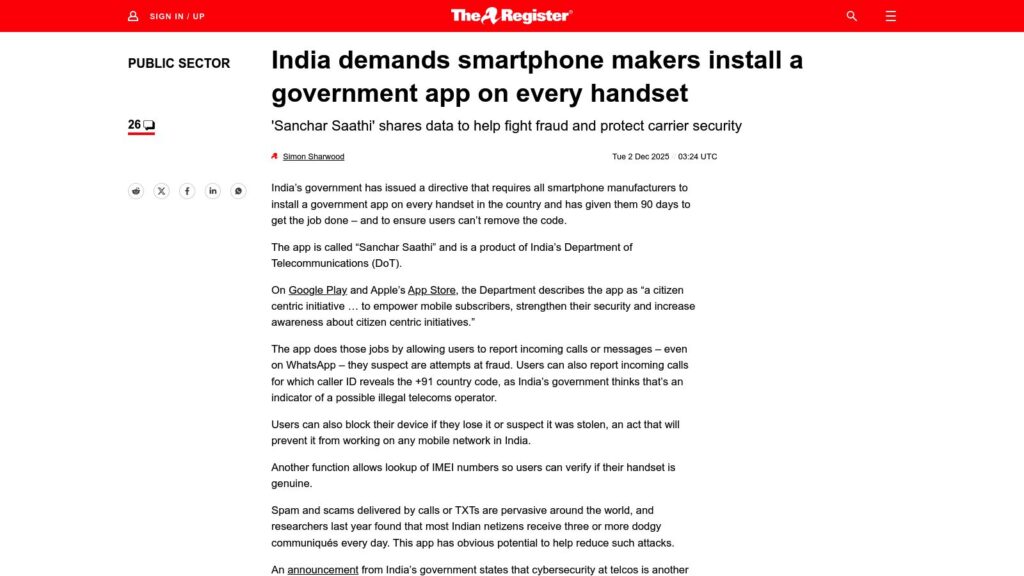
India Demands Smartphone Makers Install Government App

India mandates all smartphone makers to pre-install the “Sanchar Saathi” app on devices within 90 days to combat fraud and enhance telecom security. The app allows users to report suspected fraud, block stolen devices, and verify IMEI numbers. Critics raise concerns about privacy, as the app accesses call logs and messages, while some users welcome it as a fraud-fighting tool.

https://www.theregister.com/2025/12/02/india_mandatory_sanchar_saathi_app/

The WIRED Guide to Digital Opsec for Teens

Guide emphasizes digital security (opsec) for teens. It advises on protecting privacy online, emphasizing secrecy and accessibility, compartmentalizing accounts, using strong passwords, and avoiding account reuse. Encourages using VPNs for privacy and highlights importance of secure apps like Signal. Overall, it stresses proactive steps to mitigate digital risks and disasters.

https://www.wired.com/story/digital-opsec-for-teens/

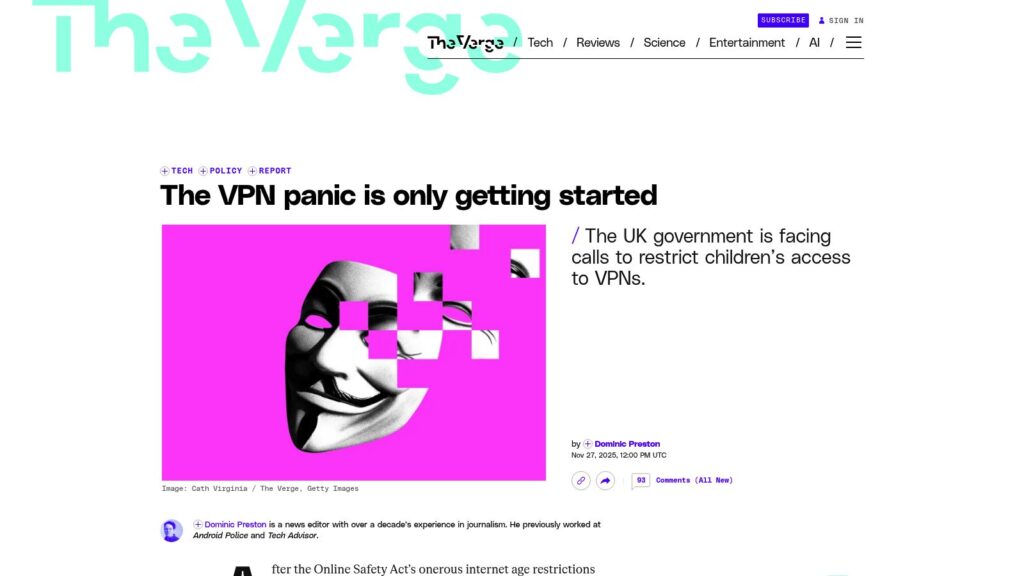
The VPN Panic Is Only Getting Started

UK government considers restricting children's use of VPNs due to their effectiveness in bypassing age verification from the Online Safety Act, which mandates strict age checks for accessing certain online content. Following the Act's implementation, VPN usage surged significantly, with calls from officials to address this loophole. Discussions on potential methods to limit VPNs are ongoing, but suggestions of a full ban are complicated by the legitimate reasons for VPN use in privacy and security. Alternatives, like restricting VPN promotion to children, are likely under consideration. As other countries follow suit with similar restrictions, the debate on VPN regulation is expected to intensify.

https://www.theverge.com/tech/827435/uk-vpn-restrictions-ban-online-safety-act

Email Security: Where We Are and What the Future Holds

Email security is flawed, relying on outdated protocols like SMTP, which lacks encryption by default. Various solutions like STARTTLS, SMTPS, and end-to-end encryption via PGP and S/MIME attempt to improve security but face usability and trust issues. Authentication mechanisms (SPF, DKIM, DMARC) help but are vulnerable due to DNS weaknesses. The future calls for enhanced E2EE, adoption of DNSSEC, and overall improvements in protocols to strengthen email as a secure communication tool, moving away from its role in account recovery and toward focused communication purposes.

https://www.privacyguides.org/posts/2025/11/15/email-security-where-we-are-and-what-the-future-holds/

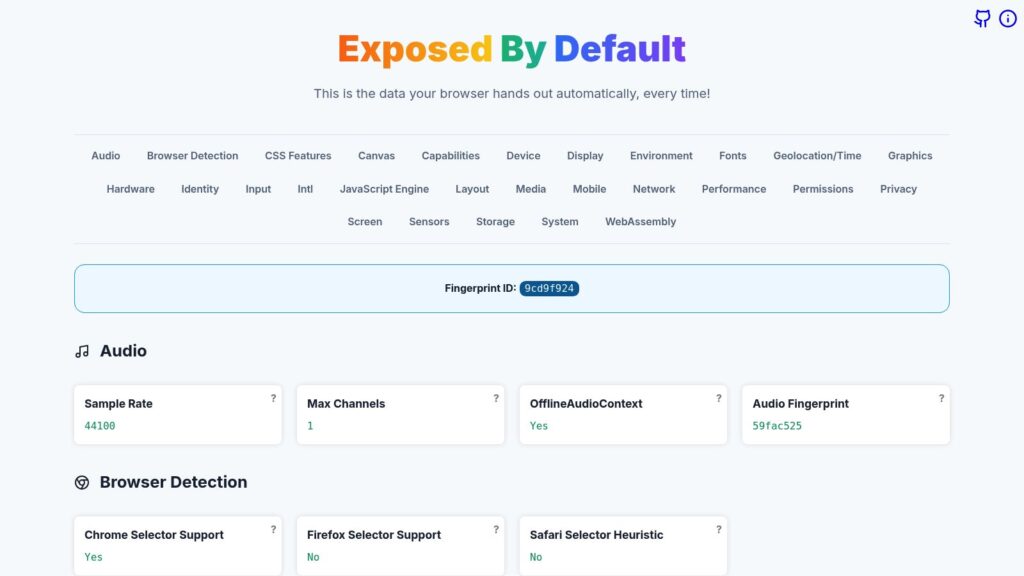
Kevin Boone: The Privacy Nightmare of Browser Fingerprinting

Summary: Browser fingerprinting compromises online privacy by creating unique identifiers from browser information, making tracking harder to evade than traditional cookies. While steps like using VPNs and popular browsers can mitigate risks, effective resistance is challenging and often inconvenient. Legal clarity on fingerprinting is lacking, and stronger legislation is needed to address its privacy threats. Overall, fingerprinting remains a significant concern, contributing to intrusive advertising practices.

https://kevinboone.me/fingerprinting.html

Concerned About Identity Theft? This May Be the First Sign You’re in Trouble

TLDR: Small unauthorized charges on bank statements, termed “phantom payments,” may indicate identity theft. Regularly review your transactions monthly; be wary of unfamiliar merchants. Protect your information and report suspicious activity to your bank and credit agencies if theft is suspected.

https://www.fool.com/retirement/2025/11/20/concerned-about-identity-theft-this-may-be-the-fir/

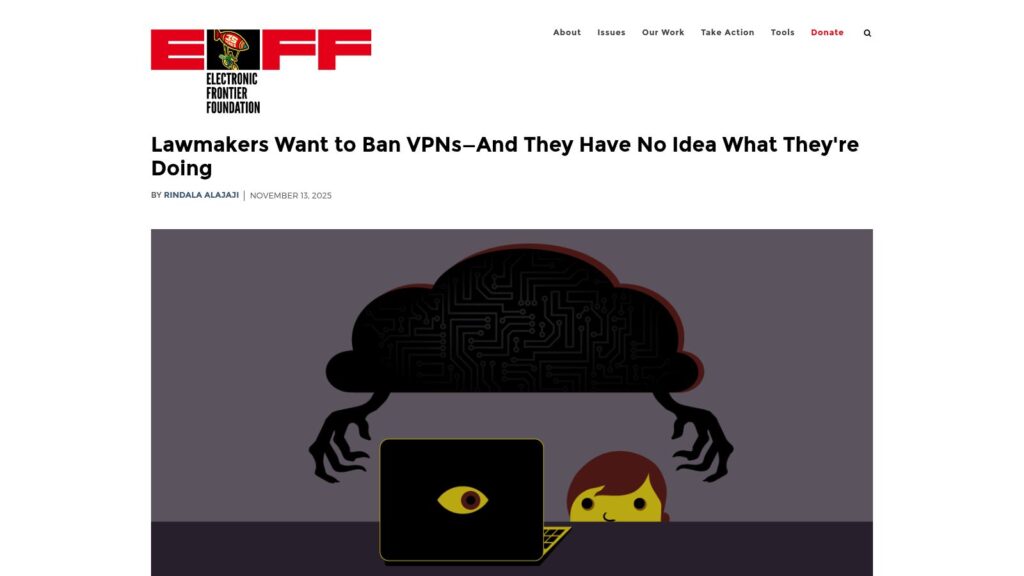
Lawmakers Want to Ban VPNs—And They Have No Idea What They’re Doing

Lawmakers in Wisconsin and Michigan are attempting to ban Virtual Private Networks (VPNs) to enforce age verification, arguing it will protect children online. The bills propose that websites must block VPN users, which experts argue is technically infeasible and harmful to various user groups including businesses, students, and vulnerable populations seeking safety. The broad definition of “harmful to minors” in these laws could censor a wide range of expression and essential information. Critics emphasize that banning VPNs undermines privacy, creates data security risks, and fails to address the real issues affecting online safety. Overall, they urge lawmakers to reconsider such measures, which threaten digital freedom and privacy rights.

https://www.eff.org/deeplinks/2025/11/lawmakers-want-ban-vpns-and-they-have-no-idea-what-theyre-doing

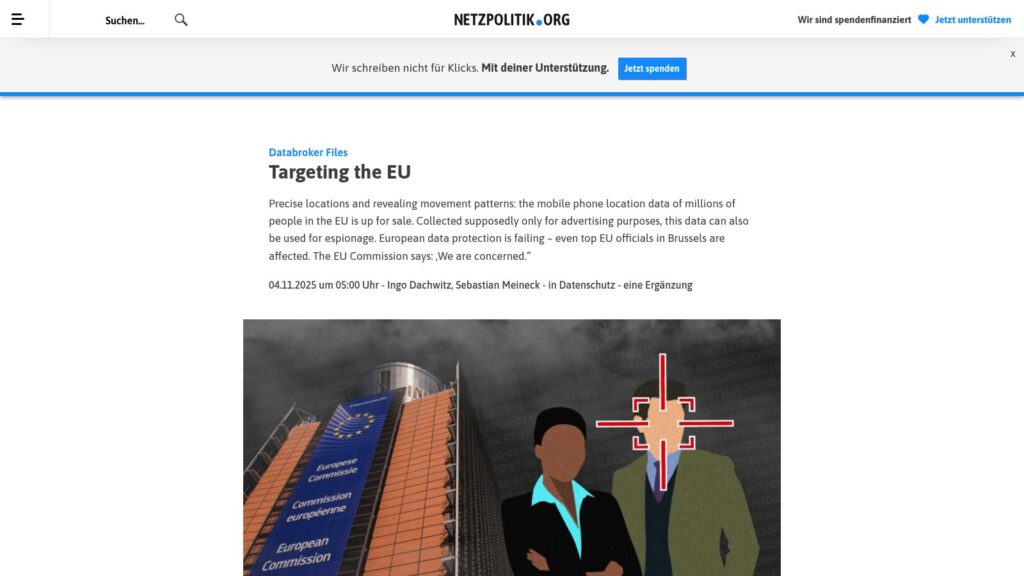
Databroker Files: Targeting the EU

Mobile phone location data of millions in the EU is being sold for advertising, posing serious privacy and security risks, including potential espionage. This data can reveal sensitive patterns of movement for EU officials, despite GDPR regulations meant to protect personal information. Investigations show that data brokers can easily target political figures, with significant implications for national security amid rising geopolitical tensions. EU leaders and NATO express concern over the situation but effective protective measures remain inadequate. Comprehensive regulation to curb data trading and enhance privacy rights is urgently needed, with calls for a ban on advertising tracking.

https://netzpolitik.org/2025/databroker-files-targeting-the-eu/

Facial Recognition: a Step Forward for Security or Danger?

Facial recognition technology has advanced significantly, improving security in sectors like law enforcement and healthcare. While it aids crime-solving and safety, concerns about privacy, racial bias, and potential misuse by authoritarian regimes persist. Critics emphasize risks such as constant surveillance and data breaches, leading to calls for regulation. Despite its benefits, the debate centers on balancing safety and privacy. Experts advocate for governance to ensure responsible use while minimizing societal risks.

https://www.meer.com/en/84857-facial-recognition-a-step-forward-for-security-or-danger

Scroll to Top