privacy

DNS0.EU Private DNS Service Shuts Down Over Sustainability Issues

DNS0.EU, a non-profit public DNS service, shut down due to unsustainable time and resource constraints. It recommended users transition to alternatives like DNS4EU or NextDNS for privacy-focused DNS resolution. The service offered features like no-logs, end-to-end encryption, and safety filters but ceased operations on October 20, 2025.

https://www.bleepingcomputer.com/news/security/dns0eu-private-dns-service-shuts-down-over-sustainability-issues/

Zero Knowledge Proofs Alone Are Not a Digital ID Solution to Protecting User Privacy

Zero Knowledge Proofs (ZKPs) alone cannot safeguard user privacy in digital ID systems. While they enable age verification without sharing personal information, they don't prevent issuer abuse or limit data collection. ZKPs may create more burdens on users and don't address the broader issues of existing data privacy laws. Effective protection requires comprehensive legal safeguards beyond just technology.

https://www.eff.org/deeplinks/2025/07/zero-knowledge-proofs-alone-are-not-digital-id-solution-protecting-user-privacy

Google’s ‘consent-less’ Android Tracking Probed by Academics

Google's Android tracking has been criticized by researchers for using identifiers to track users without consent. Research by Doug Leith from Trinity College Dublin highlights that data collection occurs before users open any apps, primarily through pre-installed services like Google Play. Key identifiers, such as the “DSID” cookie and Android ID, are created during the startup process and track users even after they log out, with no opt-out option available. Leith's findings suggest possible violations of data protection laws, which Google disputes, emphasizing a commitment to user privacy. Users have expressed frustration, especially regarding a recent system feature that scans images without consent.

https://www.theregister.com/2025/03/04/google_android/

The Digital Illusion: Millennials and Online Safety Risks

TLDR: 70% of millennials rarely verify online identities, risking exposure to identity fraud and misinformation. Despite digital savviness, many still trust misleading online interactions, highlighting a gap in cybersecurity awareness. Oversharing personal information increases vulnerability to attacks. Millennials need to adopt critical thinking and verify sources to strengthen their online safety.

https://www.kaspersky.com/blog/the-digital-illusion/53137/

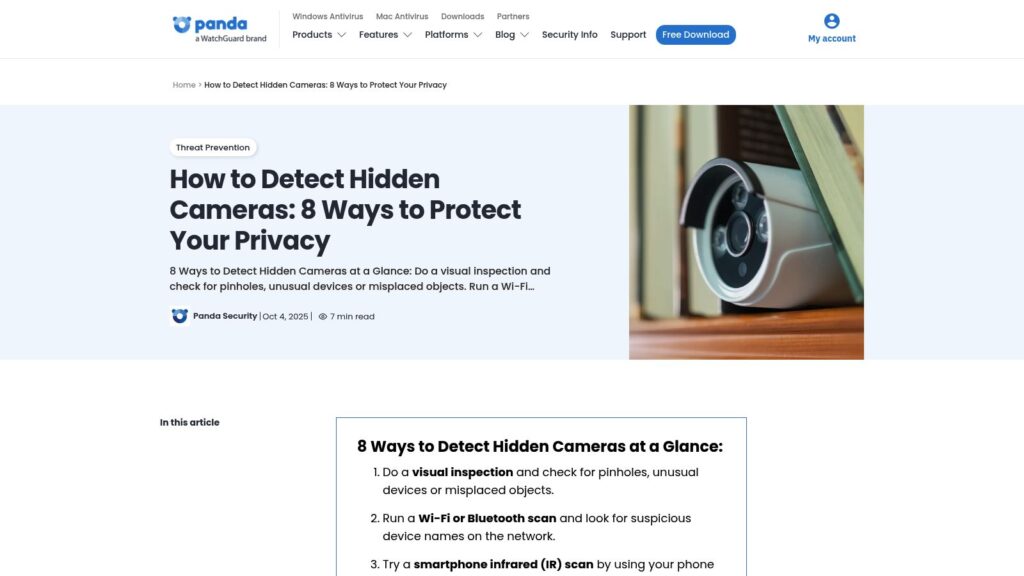
Gen Z Facing Increased Cybersecurity Threats

Gen Z, digital natives, face significant cybersecurity risks despite tech familiarity. Studies reveal overconfidence in recognizing threats, with 52% using vulnerable passwords. The rise of AI complicates matters, as 46% share sensitive data with AI tools unchecked. Training gaps persist, with many lacking access to education, and those offered abandon important security tools. Psychological stress about job security due to breaches is notable. However, growing awareness among Gen Z could foster stronger cybersecurity defenses in the future.

https://www.pandasecurity.com/en/mediacenter/gen-z-facing-increased-cybersecurity-threats/

Building a Community Privacy Plan

Community Privacy Plan Essentials:
1. Identify what and who to protect (e.g., sensitive data from law enforcement).
2. Use secure messaging apps like Signal for private communication; be cautious with platforms like Facebook.
3. Be aware of privacy implications of social media posts and choose settings wisely.
4. Understand risks with cloud services; use encrypted backups when possible.
5. Assign roles in privacy tasks and create incident response plans for potential threats.
6. Privacy and security require community effort and awareness.

https://www.eff.org/deeplinks/2025/02/building-community-privacy-plan

reCAPTCHA: 819 Million Hours of Wasted Human Time and Billions of Dollars in Google Profits

Google's reCAPTCHA, originally designed to distinguish humans from bots and digitize text, has become a data collection and tracking tool, generating substantial revenue. By 2025, it primarily monitors users' online behavior rather than providing effective bot protection. Research indicates it has wasted 819 million hours of human time, costing society $6.1 billion, while enabling Google to profit from user data. Users cannot avoid reCAPTCHA if they want to access the Internet.

https://boingboing.net/2025/02/07/recaptcha-819-million-hours-of-wasted-human-time-and-billions-of-dollars-google-profit.html

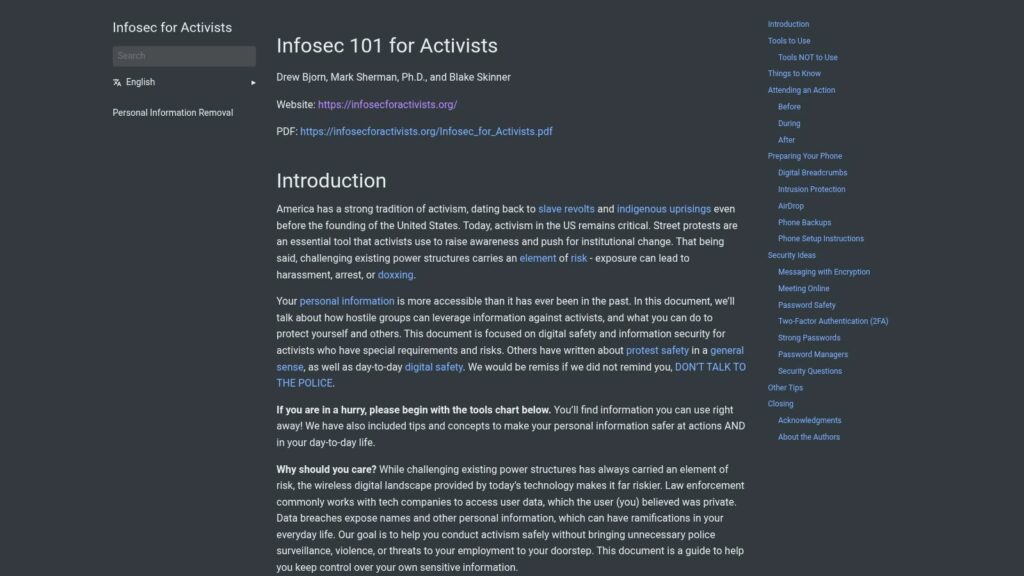
Infosec 101 for Activists

TLDR: Infosec 101 for Activists outlines digital safety for activists, emphasizing risks like privacy breaches, doxxing, and police surveillance during protests. It provides tools to use (e.g., Signal, BitWarden) and avoid (e.g., Google Maps, WhatsApp), along with tips for secure phone setup and communication. Key advice includes using strong passwords, enabling two-factor authentication, and avoiding digital trails at protests. The guide aims to help activists protect their personal information and enhance their security.

https://infosecforactivists.org/

Scroll to Top